
Single-layer gloves, even high-quality ones, have their limits. They can tear, degrade under chemical exposure, or allow microscopic contaminants to pass through. Double-gloving creates redundancy: if the outer glove fails, the inner glove continues to protect both the worker and the product.
For example, during pharmaceutical compounding, an accidental spill of a solvent on the outer glove could otherwise expose the skin. With double-gloving, the inner layer prevents direct contact while maintaining sterility. In electronics assembly, where ISO Class 5–6 standards are strict, double gloves reduce particle shedding and improve tactile precision, minimizing risk to microchips and sensitive components.
Beyond protection, double-gloving can also extend glove life. Some tasks wear out gloves quickly; an outer layer can absorb abrasion and reduce frequent glove changes, improving efficiency without sacrificing safety.
Types of Cleanroom Gloves and Layering Options
Choosing the right gloves is only part of the equation. Equally important is understanding how different materials perform in combination and how they respond to specific cleanroom tasks. Layering is a careful balance of protection, dexterity, comfort, and chemical resistance.
Common cleanroom glove materials include:
- Nitrile: Nitrile gloves offer strong chemical resistance and low particle shedding, making them ideal for sterile environments.
- Latex: Flexible and highly tactile, latex gloves support precision for tasks that require fine motor control.
- Neoprene: Neoprene gloves provide a robust barrier against harsh chemicals and are often used in pharmaceutical or chemical processes.
- Cotton liners: Cotton enhances comfort over long shifts and reduces perspiration accumulation.
Layering decisions should consider the chemical hazards present, the ISO classification of the cleanroom, and the duration and type of task. Testing different combinations during staff training helps teams identify the right balance of safety and performance.

CTI NSGF Sterile Nitrile Gloves
Perfect for your inner layer, these gloves provide strong chemical resistance and low particle shedding. Use them during pharmaceutical compounding or electronics assembly to maintain sterility and precision.
Glove Layering Techniques
Simply wearing two gloves isn’t enough to ensure protection. Proper layering is a controlled process that preserves both safety and functionality. Without attention to fit, handling, and technique, double-gloving can be less effective than a single well-fitted glove.
Small mistakes can compromise protection, so follow these steps:
- Start with the inner glove: Ensure a snug, smooth fit. Wrinkles or loose material can trap particles and reduce dexterity.
- Inspect the inner glove: Look for tears, defects, or debris before adding the outer glove.
- Maintain sterile handling: Avoid contact between bare hands and the outer glove. Use clean tools or gloves for adjustments
- Test mobility: Gloves should allow full movement and precision for fine motor tasks.
Proper fit is crucial. Gloves that are too tight cause fatigue, while loose gloves can shift, letting contaminants through. Training staff on correct layering helps prevent mistakes and keeps operations running efficiently.
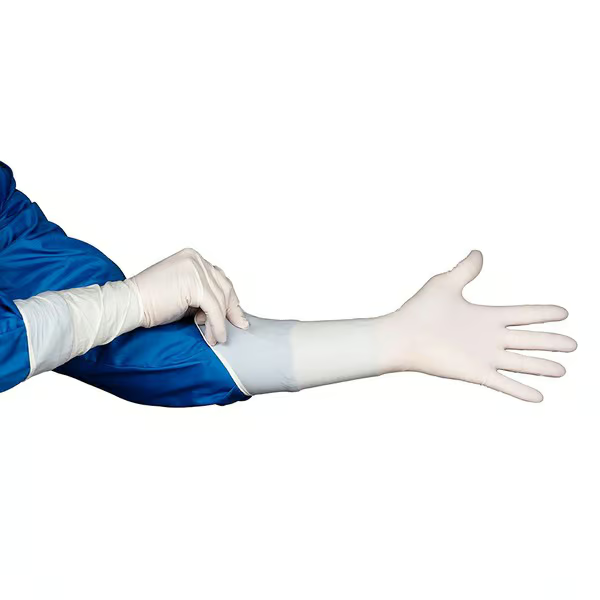
HandPro 16-Inch Sterile Nitrile Gloves
Extra-long for maximum protection, these gloves reduce accidental exposure during solvent handling or aseptic filling. Ideal as an outer layer to extend coverage and safeguard your hands and forearms.
Donning and Doffing Best Practices for Double-Gloving
Even perfectly layered gloves can fail if put on or taken off incorrectly. Donning and doffing are critical control points for contamination risk, yet they’re often overlooked in routine training.
- Donning: Put on the inner glove first, then the outer glove, taking care not to touch surfaces that could compromise sterility.
- Doffing: Remove the outer glove first, then peel off the inner glove carefully, keeping contaminants contained.
- Sterile procedures: Follow your cleanroom’s documented protocols at every step.
Routine refresher sessions are essential. Even experienced staff can slip into shortcuts, so reinforcing proper technique helps maintain high standards and protects both operators and products.
Curious to know what proper donning and doffing looks like? Refer to Cleanroom Connection’s sterile glove procedures for step-by-step guidance.

PureZero HG3 Sterile Nitrile Gloves
A versatile option for inner or outer layers, these gloves combine tactile sensitivity with sterility. Perfect for precision tasks where both protection and dexterity matter.
Practical Applications and Use Cases
Not every task in a cleanroom requires double-gloving, but certain operations benefit significantly from the extra layer of protection. Understanding when to layer gloves helps maintain compliance and reduce contamination risk.
Double-gloving is particularly valuable in:
- Pharmaceutical compounding: Provides an added barrier against solvent exposure while keeping products sterile.
- Aseptic filling: Ensures maximum sterility during critical production steps.
- Electronics assembly: Reduces particle shedding in ISO Class 5–6 environments, protecting sensitive microchips and components.
- Extended inspections: Cotton-lined gloves with an outer layer maintain comfort while ensuring protection during long shifts.
Example: A biotech facility transitioned from single-layer nitrile gloves to nitrile-over-latex for compounding tasks. Within six months, they noted fewer skin contact incidents and a decrease in contamination events, demonstrating the tangible benefits of proper glove layering.

Haylard PureZero Blue Sterile Nitrile Gloves
Durable and resistant to wear, these gloves excel for long inspections or extended shifts. Pair them with an inner glove for consistent protection and comfort throughout the day.
Maintaining and Storing Gloves
Layered gloves are only effective when handled and stored properly. Cleanroom operators rely on these barriers, so attention to storage, inspection, and handling is essential.
- Storage: Keep gloves clean, dry, and away from heat or UV light.
- Inspection: Check for tears, discoloration, or defects before every use.
- Handling: Use clean hands or tools when removing gloves from storage.
- Shelf life: Rotate stock and track expiration dates to prevent compromised gloves from being used.
Following these steps ensures gloves perform consistently and reliably, maintaining both personnel safety and contamination control.
Training and Worker Considerations
Layered gloves work best when staff are trained properly. Practice and feedback help operators internalize the correct techniques for donning, doffing, and working in double layers.
- Hands-on practice: Simulated contamination exercises reinforce proper technique.
- Dexterity tests: Ensure staff can perform fine tasks comfortably while wearing layered gloves.
- Feedback loops: Encourage reporting of fit, comfort, or workflow issues to improve compliance and safety.
- Auditing: Periodic reviews ensure adherence to protocols and highlight areas for improvement.
Equip Your Cleanroom Team with Cleanroom Connection
Layered glove systems are a critical part of maintaining barrier integrity in controlled environments. Inner and outer gloves work together to support sterility, chemical resistance, and precision during high-risk tasks.
Browse our selection of cleanroom gloves to identify the materials and combinations that fit your process requirements.
Not sure which pairing is right for your team? Reach out to Cleanroom Connection today for help designing a glove program that aligns with your protocols and cleanroom classification. Let us help you strengthen your workflows, safeguard your personnel, and keep contaminants out before they reach your production line.