USP 800 officially went into effect on December 1, 2019. It is an excellent guide to protecting pharmacy techs, healthcare personnel, patients, cleanroom cleaning staff, and even our planet from contamination by hazardous drugs (HD).
Earlier updates to USP 795 and USP 797 created some uncertainty around how USP 800 would be applied. Since both USP 795 and 797 became official again on November 1, 2023, USP 800 is now considered compendially applicable to facilities that meet those requirements. That means organizations handling hazardous drugs are expected to follow USP <800> as part of their overall compliance.
Enforcement doesn’t come from USP itself. Instead, it’s supported by agencies like the FDA, CMMS, and state boards of pharmacy, as well as accreditation organizations that follow these standards.
USP 800 compliance isn’t a one-time certification or goal. It’s designed as an ongoing process that involves evaluating how hazardous drugs are handled, identifying risks, and adjusting procedures over time to mitigate exposure.
Its scope is also far-reaching, from the arrival of an HD in the pharmacy cleanroom to dispensing or disposal of the drug.
Common Misconceptions
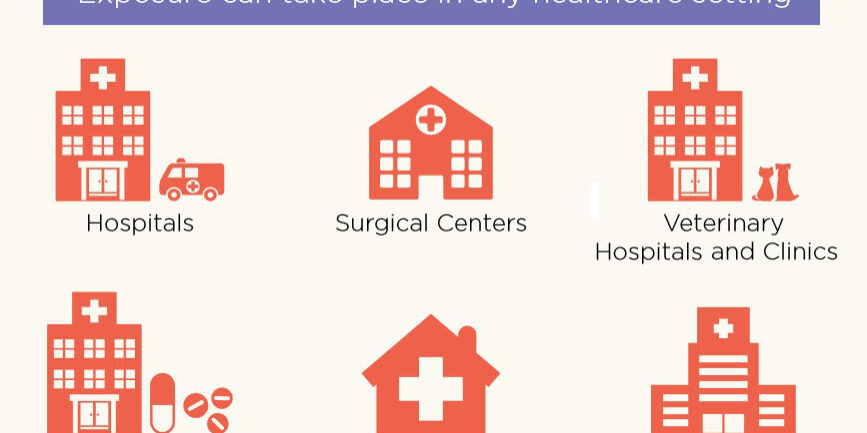
- USP 800 applies only to pharmacies; it applies to all healthcare personnel (nurses, physicians, veterinarians) who handle HDs.
- It only applies to cancer drugs: It covers any drug listed by NIOSH as hazardous (including some, for instance, used for autoimmune diseases).
- It is voluntary: As of November 2023, it is a compendially applicable, legally enforceable standard in many jurisdictions.
USP Guidelines & Supporting Documentation Change
In addition to the breadth of the challenge, as with most governance, the rules are continually changing as science, technological innovation, and other empirical evidence point to a better way. For example, NIOSH publishes HD lists to help facilities identify HDs handled by their staff.
What Changed in the 2024 NIOSH Hazardous Drug List?
The 2024 update includes many structural changes that affect how hazardous drugs are identified under USP 800:
List updates: 25 drugs were added, some of which include manufacturer handling precautions. The following 7 drugs were removed:
- Bacillus Calmette Guerin (BCG) vaccine
- ergonovine
- liraglutide
- paliperidone
- pertuzumab
- risperidone
- telavancin
- Reorganized categories:
- Table 1 now includes drugs with strong evidence of cancer risk or manufacturer safety warnings, not just chemotherapy drugs.
- Table 2 includes drugs that meet hazardous criteria but fall outside those higher-risk classifications.
- Reproductive risks moved: Drugs that only pose reproductive or developmental risks are now included in Table 2 instead of being listed separately.
- Removed extra tables and details: The separate table for removed drugs and the exposure control table have been eliminated. Risk management guidance now lives in separate NIOSH resources, and less relevant columns have been removed.
- New biologics column: A new column identifies biologics approved by the FDA, helping clarify how they’re handled.
These are examples of how continuing education and evaluation are required to achieve USP 800 compliance. It is easy for gaps to develop even after achieving an excellent level of compliance.
Common USP 800 Compliance Gaps in Practice
Policies and Standard Operating Procedures
Because USP 800 calls for lifecycle-based handling of hazardous drugs, policies and procedures should address every stage, from receiving and storing to PPE, risk assessment, and mitigation
They should also outline how your facility creates and maintains its HD list, along with the related engineering controls for each, such as a Biological Safety Cabinet (BSC), a Compounding Aseptic Containment Isolator (CACI), or a Closed System Drug-Transfer Device (CSTD).
Read our additional tips about USP 800 compliance.
Note that HD handling in a cleanroom may also affect how you write your cleanroom cleaning procedures.
Proficiency of Personnel
The most pivotal decision in USP compliance is designating a single person responsible for oversight of policies, procedures, education, and monitoring.
That designated person should not only have general compounding training in USP 795 and 797, but also HD-specific training on current supporting publications, specific issues, and HD-handling techniques applicable to your facility.
This level of knowledge helps support effective policies, training, and monitoring.
There are many tools to help cleanroom staff and USP 800 coordinators make the best decisions possible. These include hazardous drug reference lists, internal documentation, and guidance from organizations like NIOSH, which help teams identify hazardous drugs and understand safe handling practices.
Personal Protective Equipment (PPE)
The first step in protecting cleanroom staff is knowing which hazardous drugs you’re working with and how they’re handled. Clear policies, procedures, and transfer techniques then help minimize exposure risk.
But PPE is the final line of defense against any failure to contain HDs.
USP 800 outlines PPE requirements based on the task being performed, rather than a single fixed list. In general, facilities may use:
- Gloves that meet ASTM D6978 standards
- Disposable gowns rated for HD handling
- Respiratory protection (such as N95 respirators) when there is a risk of inhalation
- Goggles and face protection when splashing or spraying is possible
- Additional items, like sleeve covers, may be used in certain compounding situations
Some facilities may also use head/hair covers, hoods, and shoe covers as part of broader cleanroom protocols, particularly when sterile compounding standards apply.
How Cleanroom Connection Can Help Keep You USP Compliant
We offer contracted services from specialty pharmacy cleanroom consultants who can assist with the overall design of policies and procedures. But PPE is the area that our cleanroom experts can help you everyday with complimentary advice about what PPE is best for your protocols. Plus, we offer free samples on all our cleanroom consumables so you can try them in your facility before you buy.
See our most popular cleanroom supplies for compounding pharmacies. We carry full lines of all our brands so ask if you do not see what you need.